News
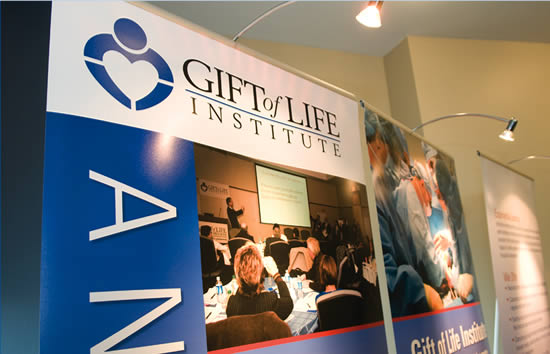
Since 2017, the Gift of Life Institute has been proud to host “The Art and Science of Leadership: Driving Results for Donation and Transplantation Professionals” (ASOL). Over the past nine years, we have had the privilege of developing over 220 emerging leaders from 25 donation organizations in collaboration with distinguished faculty from the Wharton School at the University of Pennsylvania and the Fox School of Business at Temple University.
The ASOL curriculum—spanning design thinking, strategic persuasion, and adaptive leadership—is uniquely designed for the OPO environment. By bridging the academic prestige of the Wharton School and the Fox School of Business with deep industry expertise, we empower participants to lead with heightened professionalism.
To register for the 2026 The Art and Science of Leadership program, click here.
Combining face-to-face learning, virtual classroom training, and one-on-one project plan mentoring from industry leaders, The Art and Science of Leadership is designed to help both emerging and experienced leaders master core business concepts and build key skills in:
- Transformational Leadership
- Change Management
- Personalized Branding/Executive Presence
- Performance Management
- Team Building
- Design Thinking
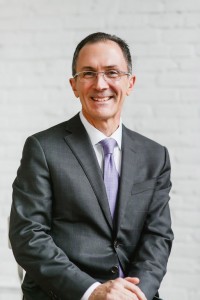 We are privileged to have Mario Moussa as one of our lead instructors. Mario is a noted author, keynote speaker, and management consultant who advises senior leaders about top team effectiveness, organizational culture, and large-scale change initiatives. He has delivered workshops on leadership, strategic persuasion and collaboration to thousands of executives in New York, San Francisco, Beijing, Shanghai, Mumbai, Sao Paulo, London, Istanbul, and other major cities around the world. His work has been featured on National Public Radio as well as in leading publications, including Time Magazine, Business Week, U.S. News and World Report, Fortune, Forbes, Inc., Entrepreneur, The Economist, The Financial Times, and The Philadelphia Inquirer.
With Mario’s permission, we share a video on “Providing Strength Through Culture and Networking” that he posted on his website.
Click here to access the agenda for the 2026 The Art and Science of Leadership program.
For more information on the 2026 The Art and Science of Leadership program, contract me directly at TDaly@giftoflifeinstitute.org.
Institute Will Sustain and Expand Grassroots Movement to Advance Life-Saving Organ Donation and Transplantation
Philadelphia, PA – Gift of Life Institute announces it is now home to the Community Partnership for Transplant Growth. The Institute is assuming stewardship of a national grassroots movement dedicated to inspiring and enabling bold action to increase organ donation and transplantation.
This initiative grew out of the OPTN Expeditious Task Force, founded in 2023 to increase the number of donated organs used for transplant and improve organ allocation efficiency with the overarching goal of achieving 60,000 deceased donor transplants annually. The effort galvanized organ procurement organizations (OPOs), transplant centers, clinicians, hospital C-suite leaders, and partners around a shared, ambitious aim: grow transplantation and save more lives. Even after federal funding concluded, the movement continued — powered by national engagement, broad-based energy, and a strong commitment to maintain momentum.
As host organization, Gift of Life Institute, an affiliate of Gift of Life Donor Program, will provide the structure, coordination, and educational expertise needed to advance this work. With more than 20 years of experience delivering innovative professional training, the Institute will support shared learning, reinforce best practices, and strengthen leadership to accelerate donation and transplant growth. The Institute’s longstanding track record and international reputation for excellence uniquely position it to sustain and grow the partnership’s impact.
Building on the previous success, the Institute will work with key former Expeditious Task Force Leaders to expand this work to include a dedicated donation-focused initiative that applies proven methodology to increase authorization and deepen hospital engagement. This parallel effort ensures the same structured, evidence-based approach driving transplant growth is now also directed toward accelerating donation outcomes.
“With new technologies that can optimize organ function and significantly increase transplantation, we have an unprecedented opportunity to save more lives. But opportunity is not enough. We need strong collaboration and shared leadership across the donation and transplantation community. That is why Gift of Life is proud to host the Community Partnership for Transplant Growth: to unite our field, accelerate progress, and ensure every available organ becomes a life-saving gift,” said Richard D. Hasz, Jr., MFS, CPTC, president and CEO of Gift of Life Donor Program.
With support from the Institute, the collaboration will continue to:
- Inspire and enable leaders at every level of the transplant community.
- Drive coordinated action to grow donation and transplantation.
- Support organized state, regional and national events to spread the proven practices of high performers.
- Help key leaders in transplant centers, OPOs and donor hospitals commit to growth goals, sustained testing, and actions to improve performance.
“We can reach 60,000 deceased donor organ transplants annually if we continue to build on and augment a national leadership movement that drives best practices for growth and forges strategic partnerships across the field. The Community Partnership for Transplant Growth is designed to do exactly that. When we unite around bold goals and commit to the organized spread of proven practices, we can achieve results that once seemed impossible. This is the right work at exactly the right time,” said Dennis Wagner, MPA, former Expeditious Task Force member and a nationally recognized leader and expert in healthcare quality improvement.
Nationwide Events and Structured Follow-Through
In 2026, the partnership plans to hold more than a dozen events nationwide, convening experts and practitioners to share evidence-based practices and accelerate donation and transplant growth. Designed for active participation and commitment to action, these sessions equip attendees with practical insights and measurable goals to advance performance within their organizations. Transplant recipients, waitlist patients and donor families will remain integral participants.
Following these energizing events, Gift of Life Institute will now provide structure, supporting transplant centers, donor hospitals and OPOs in committing to spread best practices, testing and implementing changes, tracking results, and driving continuous improvement. This accountability framework represents the next evolution of the Growth Collaboratives, ensuring that inspiration and commitment to action lead to measurable impact across the nation.
“We have seen firsthand that we have a proven methodology and that this collaboration works. Now is the time to continue that momentum and elevate leadership across the transplant community,” said Dianne LaPointe Rudow, DNP, ANP-BC, FAAN, Professor and Director of the Zweig Family Center for Living Donation at Mount Sinai Hospital and former OPTN President.
Demonstrated Momentum and Broad Engagement
In 2024 and 2025, 14 events across 32 states engaged:
- 140 transplant centers
- 60+ hospital executives
- 800+ transplant professionals
Participating transplant centers achieved up to 12% year-over-year growth in deceased donor transplants within six months — outperforming national averages. These accomplishments form a strong foundation for the next phase of work. As host organization, Gift of Life Institute will leverage assets, provide structure, and ensure ongoing support, enabling OPOs, transplant centers, and health systems to continue achieving — and exceeding — their goals.
“Gift of Life Institute has long been recognized for educational excellence and innovation, and we are honored to bring that strength to the Community Partnership for Transplant Growth. By harnessing our deep expertise in adult learning, we will ensure continuous opportunities to reinforce best practices, strengthen leadership, and help teams turn inspiration into sustained action,” said Theresa A. Daly, Vice President, Gift of Life Institute.
For those interested in hosting a Donation or Transplantation Growth Collaboration event in 2026, please contact Gift of Life Institute Vice President Theresa A. Daly at tdaly@giftoflifeinstitute.org.
About Gift of Life Institute
Gift of Life Institute has served as an international training center for organ and tissue donation professionals for more than 20 years. The Institute’s comprehensive, interdisciplinary resources designed to increase donation outcomes include skills-based learning, continuing education, collaborative research and consulting services. Since its inception in 2004, the Institute has facilitated more than 650 workshops with all U.S. OPOs and multiple tissue banks, training over 15,000 professionals from across the U.S. and 33 countries around the world.
About Gift of Life Donor Program
Gift of Life Donor Program, founded in 1974 and headquartered in Philadelphia, is the federally designated organ procurement organization (OPO) for the eastern half of Pennsylvania, southern New Jersey and Delaware serving 11.3 million people. It works with 124 acute care hospitals and 12 transplant centers in its region, as well as hundreds of transplant centers throughout the country, to provide the most comprehensive array of services available in the U.S. to the donation and transplantation community. Thanks to the generosity of its community, Gift of Life has coordinated 14,860 donors and 41,140 organs for transplant, the most of any OPO in the country since the inception of our national donation system in 1988. Overall, Gift of Life has coordinated more than 62,000 organs and more than two million tissue transplants since its founding. One organ donor can save the lives of up to eight people and a tissue donor can improve the lives of 100 others. Learn more and sign up at donors1.org.
The Institute’s latest eLearning course – “Reaching Across Cultures” – equips learners with essential skills to navigate cultural nuances when it comes to organ and tissue donation among diverse populations. The content was developed in partnership with Dr. Heather Marie Gardiner, professor of social and behavioral sciences at Temple University’s College of Public Health. Gardiner recently joined Instructional Designer Shimrit Lee to discuss her research and the importance of education in fostering a more inclusive and effective donor community.
Shimrit Lee: Tell us about your research.
Heather Marie Gardiner: My work focuses on addressing health disparities, particularly in the realm of organ and tissue donation and transplantation. At the Health Disparities Research Lab, my team and I are dedicated to improving the organ donation process, reducing transplant inequities, and increasing access to transplantation services for marginalized communities.
SL: What kind of methods do you use to track disparities?
HMG: I employ a mixed-methods approach, drawing on both quantitative and qualitative methodologies. This includes developing and implementing protocols for in-depth interviews and focus groups and employing structured and semi-structured surveys. Additionally, I apply advanced statistical methods to analyze data and uncover patterns and disparities in health outcomes related to organ donation and transplantation.
One of the core aspects of my research is community engagement. At the Lab, we actively involve underserved minority populations in our research initiatives to ensure that our work directly addresses their needs and challenges. This community-centered approach not only informs our research design and implementation but also enhances the impact and relevance of our findings.
SL: What do you see as the most significant barrier to transplantation for marginalized communities?
HMG: First, I just want to emphasize that no population is a monolith. Plus, it’s nearly impossible to identify a single barrier to donation. Among African Americans, for example, disparities in donation are rooted in a complex interplay of historical mistrust of the medical system, concerns about fairness in organ allocation, and cultural and religious beliefs.
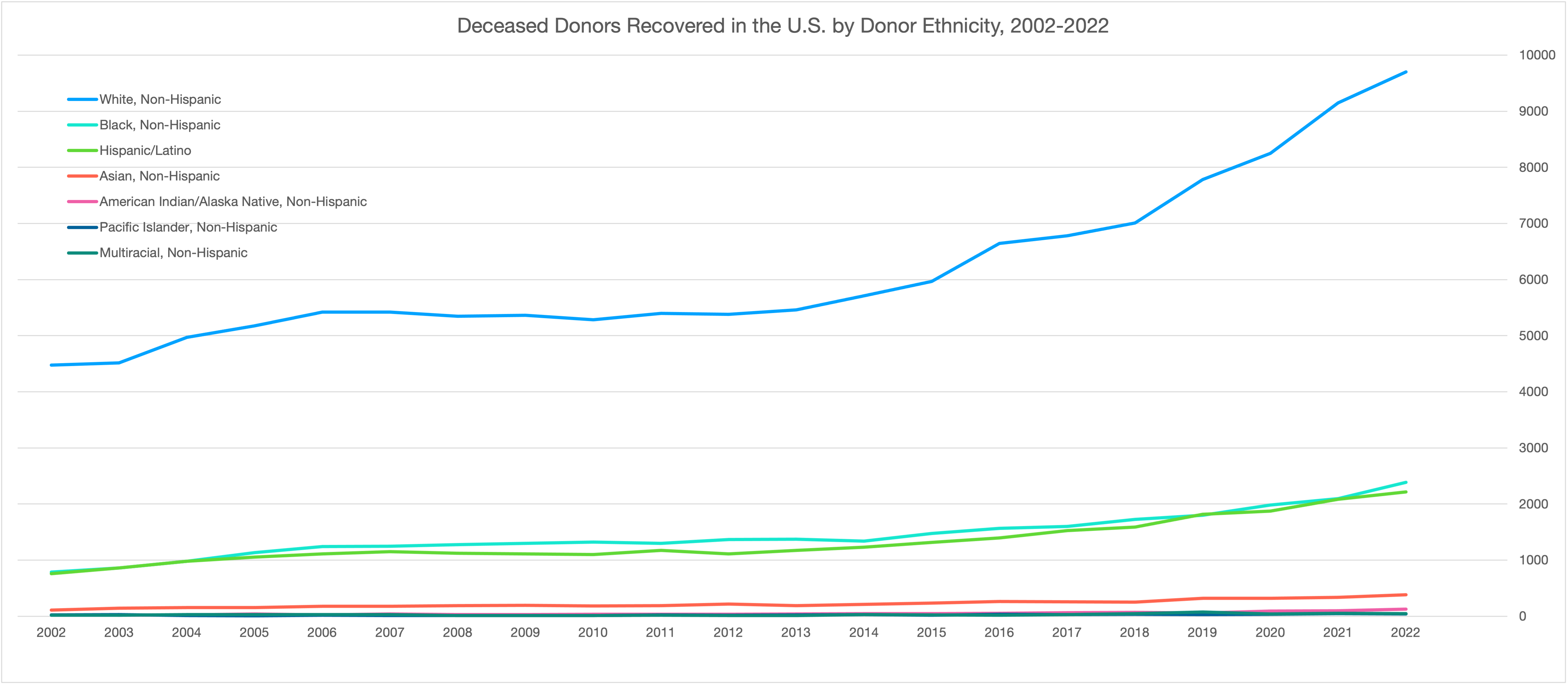
To overcome these barriers, targeted efforts are required to address misconceptions, improve education about the organ donation process, and rebuild trust within the healthcare system. Community engagement, culturally sensitive outreach, and collaboration with religious leaders can play pivotal roles in fostering a greater understanding and acceptance of organ donation among this group. Efforts must focus on promoting transparency, equity, and inclusivity within the donation system to encourage broader participation and ultimately save more lives.
SL: What is the role of education in reducing these barriers?
HMG: Training in culturally humility is integral to ensuring organ donation professionals understand diverse perspectives and engage in respectful and effective communication. This involves dispelling myths, addressing concerns related to religious or cultural beliefs, and being aware of how implicit biases may affect interactions with patients and families. Training in trauma-informed approaches is also key to understanding the emotional and psychological aspects of donation conversations. These are all topics covered in the eLearning course that the Institute is offering.
Education efforts should align with policy changes aimed at reducing disparities in donation opportunities. This includes advocating for equitable access to donation services and addressing systemic barriers that disproportionately affect certain communities.
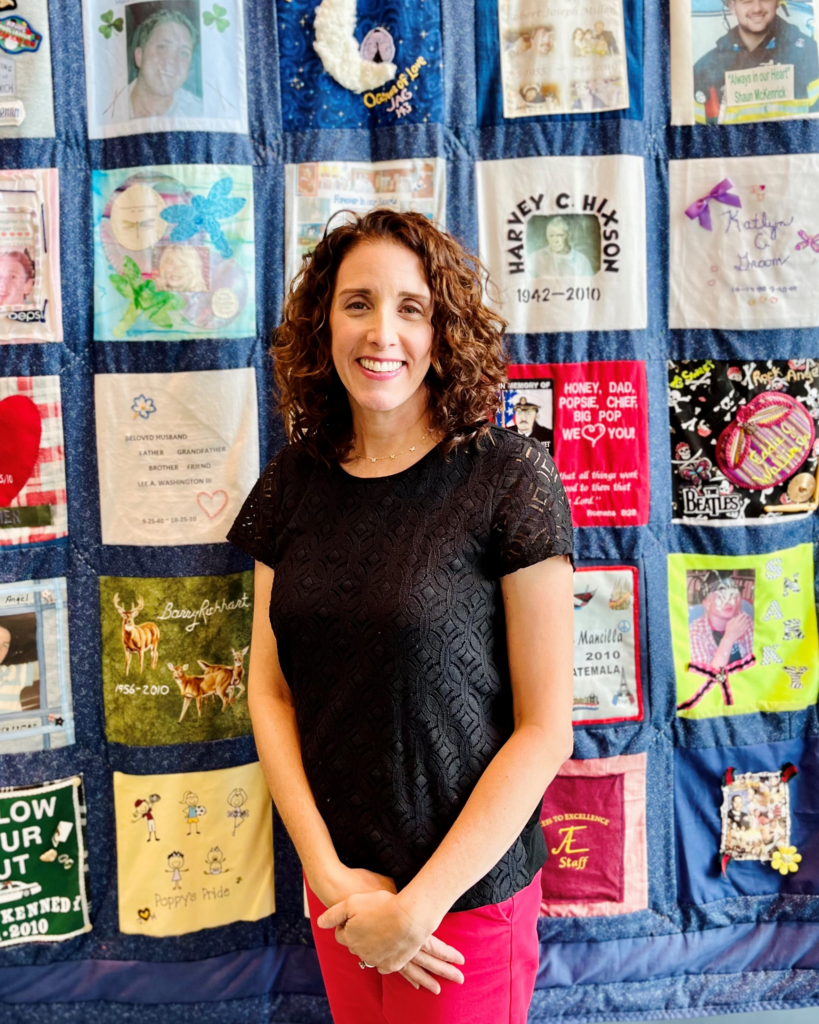
Lara Moretti has been providing bereavement counseling and support for families of organ and tissue donors since 2003 at Gift of Life Donor Program (GLDP). Currently the Director of Family Support Services at GLDP, Lara has served as secretary and co-chair of the AOPO Donor Family Services Council. She is also a member of the Gift of Life Institute’s faculty, where she leads trainings on the impact of loss and grief on family donation conversations. Lara was recently a named a Fellow in Thanatology: Death, Dying and Bereavement from the Association for Death Education and Counseling for demonstrating knowledge, experience, and education in death, dying, and bereavement.
We sat down with her to learn more about thanatology and its application to her work at Gift of Life.
What is thanatology?
Thanatology is the study of death, dying, and bereavement and the impact death has on those who are grieving.
What prompted you to study it?
As a bereavement counselor for donor families, I wanted to increase my knowledge about grief so I could better support the families we serve.
What have you learned about grief through your fellowship that surprised you?
I have been surprised by how resilient families are. Even though they have experienced a major loss, they show grace and compassion and can grow from the trauma they endured. Also, I have a greater appreciation for grief after non-death losses, such as the loss of one’s health, job, or home.
You work in family support services. How has your study of thanatology impacted your work in supporting donor families and recipients as well as the information you share through the Institute?
I feel I have a more well-rounded understanding of grief and that has allowed me to support families and recipients in their different displays of grief. Helping grieving individuals understand that what they are experiencing is normal can hopefully alleviate some of the pressure they put on themselves to grieve in the “right way.” There is no one right way. There is only your way.
In my work with the Institute, I see how critical it is to train donation professionals about acute grief so they can be better prepared to support families in conversations about donation. Most health care professionals have no formal training on grief so we enter the field with our own perceptions and ideas about what grief should look like.
What do you wish more people understood about grief?
In general, I think we are a fairly grief illiterate society even though all of us will experience grief in our lives. I wished more people understood that grief can manifest itself in not just emotional reactions but also spiritual, physiological, and cognitive reactions as well. Additionally, grief is not something that needs to be fixed or cured. It is a long process that must be experienced after a loss.
The field of organ and tissue donation is one of high stakes. In other industries, performance improvement might equate with more units manufactured and sold, more money made, or stock price increases. In ours, it means more human lives saved.
Providing effective feedback to OPO employees on job skills is a critical route to performance improvement. Giving feedback constructively can drive organizational performance in the grand scheme by affecting employee performance at the individual level.
Coaching
Employee skills coaching can take many forms. What is possible through coaching depends on many factors, such as the coach-trainee relationship. For instance, what is possible within an established manager-employee scenario may not be feasible within an online skills coaching scenario and vice versa. 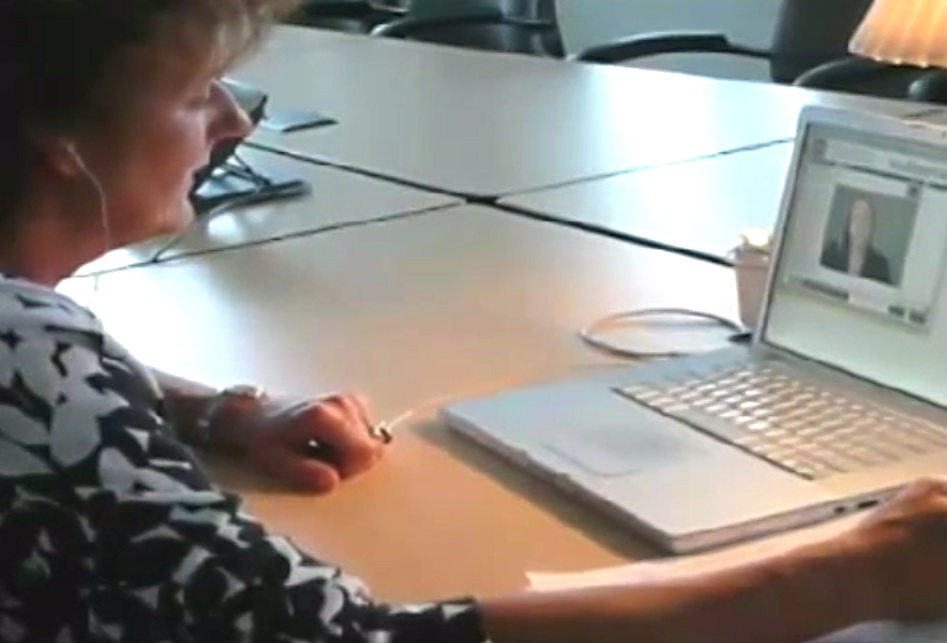 In Gift of Life Institute’s WebEncounter training platform (an online application in which participants can role-play according to specific scenarios), the trainer has the advantage of a sometimes healthy separation that is unaffected by “office politics” or the reticence that can accompany mock role-play work and critique between established colleagues. However, this scenario is constrained by limitations in depth of knowledge about the learner’s background, career goals and so forth. The manager and employee scenario has the advantage of breadth of knowledge and observational time with the trainee, yet may be constrained by other factors such as routines, schedules, and ingrained ways of relating in an established relationship. Regardless of limitations and advantages imposed by the specifics of the relationship, giving feedback effectively is an invaluable business asset.
Feedback
 Despite its potential, the word “feedback” can send shivers up an employee’s spine which, in turn, may limit the coach’s inclination or ability to effectively use this critical tool. Furthermore, organizational culture often dictates feedback philosophy. For instance, if feedback is seen being delivered up and down the OPO hierarchy as a means of overall organizational improvement, it is more readily accepted than if it’s being used as a non-productive critical element (i.e., a weapon).
The Ken Blanchard Companies report that the three primary reasons people resist giving feedback are:
- They’re fearful the other person will get angry;
- They’ve tried before and didn’t get results;
- They’re not sure how to do it effectively.
Fortunately, giving feedback effectively is a skill that can be learned:
- It is important to approach an employee feedback situation from a basis of respect.
- Do your pre-work. Gain as much insight into the employee as possible (e.g., background, professional strengths and opportunities, passions). The extent to which this is possible varies considerably based on the type of coaching situation, but is often possible to some extent with just a bit of effort and time.
- Convey your own belief about how opportunities for growth translate into improved job performance and outcomes. Strive to attach the potential growth experience to something meaningful for the specific employee and overall OPO performance.
Managers sometimes fail to see learning and career development as an important aspect of their roles which, in turn, can limit their drive to master the delivery of effective feedback. But what can come from good feedback is actually pretty exciting. Current weaknesses or gaps ARE near-future opportunities! This means more lives can be saved, more families can feel their loved one live on, and more people can leave an extended legacy. It’s important for each manager to channel their inner coach and know that growth in an area that is personally meaningful to the employee can also be an incredibly rewarding professional experience.
Know Your Environment
The organ and tissue donation work environment is unique. It is often filled with long hours and colored by heightened emotions and the knowledge of how important outcomes are to the lives of so many. Providing feedback and coaching in these circumstances requires special attention to timing, delivery, and the employee’s state of mind. Being mindful of states of physical or emotional exhaustion is important so that timing of communication can be adjusted accordingly for both employee compassion and feedback efficacy. It’s also important to regularly recognize that most professionals in the OPO field are passionate about their work and serious about their performance. Knowing that this means that staff may be their own greatest critics can remind those providing feedback to approach the employee with respect and the feedback as a valuable, important opportunity.
The “A-ha Moment”
 When coaching an OPO professional on a job skill or mindset, strive for that meaningful moment when everything comes together and creates a lasting change for the employee. Executive coach Kathleen Martin advises on getting an employee to that “A-ha moment”:
- Resist the urge to push but, rather, recognize how important timing is to the learning of a new skill or perception.
- Utilize pauses and silences rather than fight to avoid them. Yet know when to nudge. By paying close attention to the employee you may notice when they are holding back but are ready to move with some assistance.
- Notice energy level changes. There can be a discernible shift after an “A-ha moment” that paves the way to move on.
- Celebrate success. This can be as simple as allowing a few moments to allow the shift in realization to sink in.
- Solidify the learning by establishing an action plan. Summarize the learning that has occurred, establish a plan for the employee to put the skills into action, and set a realistic plan for follow-up.
Effective employee skills feedback can have profound effects. All staff in the potential role of “coach” to donation professionals should embrace this opportunity for powerful individual employee and organizational growth.
References:
http://www.kenblanchard.com/Leading-Research/Research/Take-the-Fear-Out-of-Feedback
https://leaderchat.org/2016/03/22/5-tips-for-coaching-to-the-aha-moment/
Elizabeth Spencer has been working in the OPO community since 2002. She was with Washington Regional Transplant Community (WRTC) for nine years, serving as both Director of Hospital Services & Professional Education, and in the clinical division as a Senior Clinical Recovery Coordinator. As Director of Hospital Services & Professional Education, Elizabeth was responsible for oversight of partnerships with area hospitals regarding the implementation of donation best practices, donation educational programs for various hospital staff, hospital data analysis and reporting, hospital donation strategic planning, and hospital policies related to organ and tissue donation.
Drug and opioid overdose deaths are on the rise across the country, increasing by approximately 140% since 2000. Significantly contributing to this increase is the usage of natural and semisynthetic opioid pain relievers, heroin, and non-methadone synthetic opioids. 2013 to 2014 saw increases of overdose deaths related to those specified opioids as 9%, 26%, and 80%, respectively. Recommendations to reverse this upward trend of opioid related deaths are: improving safer prescribing methods of prescription opioids; expanding access to and use of antidotes (such as naloxone) and increasing access to medication-assisted treatment combined with behavioral therapies; and collaboration amongst public health agencies, ME/Coroners, and law enforcement agencies to improve detection and responses to identified drug overdose outbreaks.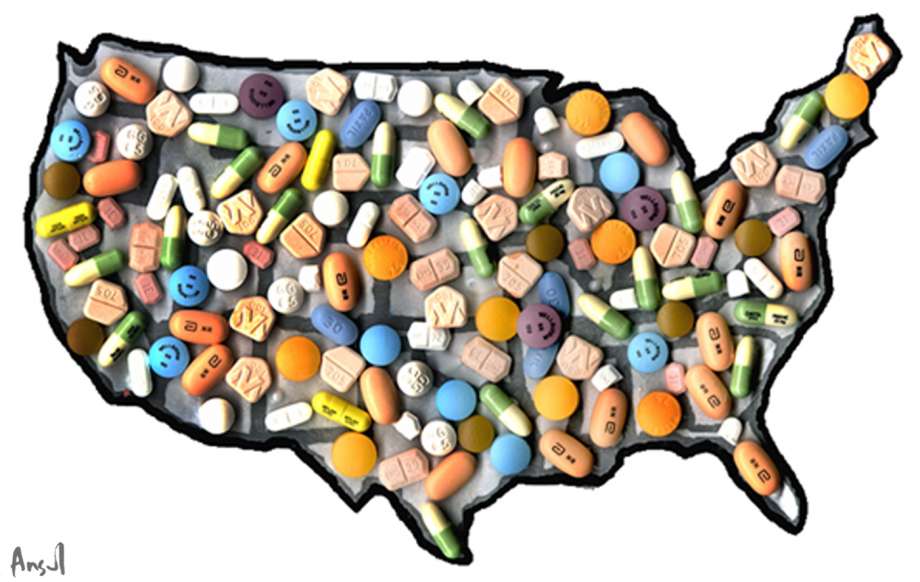
While public health agencies struggle to identify measures to curb this rapidly increasing and often fatal trend, donation professionals find themselves more and more frequently faced with overdose victims who have become potential organ donors. Families of these victims are emotionally depleted by often years long battles to help their loved ones overcome their addiction, only to find that the battle has culminated in their worst nightmare. All has been lost. There will be no more trips to rehab or late night calls for help. The more we can gain insight into what families have experienced, the better able we become to offer the resources and support each unique family may need. Consider having a parent or spouse of someone who has suffered from drug addiction and died, come in and speak with your staff. Their stories are powerful, and the opportunity for staff to ask questions and learn more about what considerations they should keep in mind when caring for these families are significant. When talking with health care providers who feel drug addiction and overdoses render individuals incapable of offering the gift of life through donation, be sure staff have solid talking points that can help them convey the positive outcomes that can be achieved through donation. Start a conversation among your own staff to be sure everyone has the information they need to communicate effectively in these situations with families and care providers. If you are doing something at your OPO related to the increase in potential donors regarding opioid overdose that could help other professional be more effective in this area, please share; we’d love to have you participate in our blog.
For more information on this growing epidemic, click here.
Patricia Mulvania has more than 30 years’ experience in the healthcare field, beginning her career by providing emergency patient care in the pre-hospital setting. Since, Patricia has served in leadership roles in the emergency department, home-care, and hospice arenas.
Stay Up to Date