News
The Transplant Games of America are elusive to most yet significant to many: a week-long extravaganza that closely mirrors the world’s beloved Olympic Games. And, like the Olympics, opening ceremonies provide an emotional recognition of the unity and shared experience of everyone present. Intense competition transpires on the courts, fields, pools, and halls as participants strive to bring home the most medals. The stands are completely occupied by exuberant fans decked out in their team’s gear. Workshops, coffee houses, quilt displays and vendors offer a break among the rivalry.
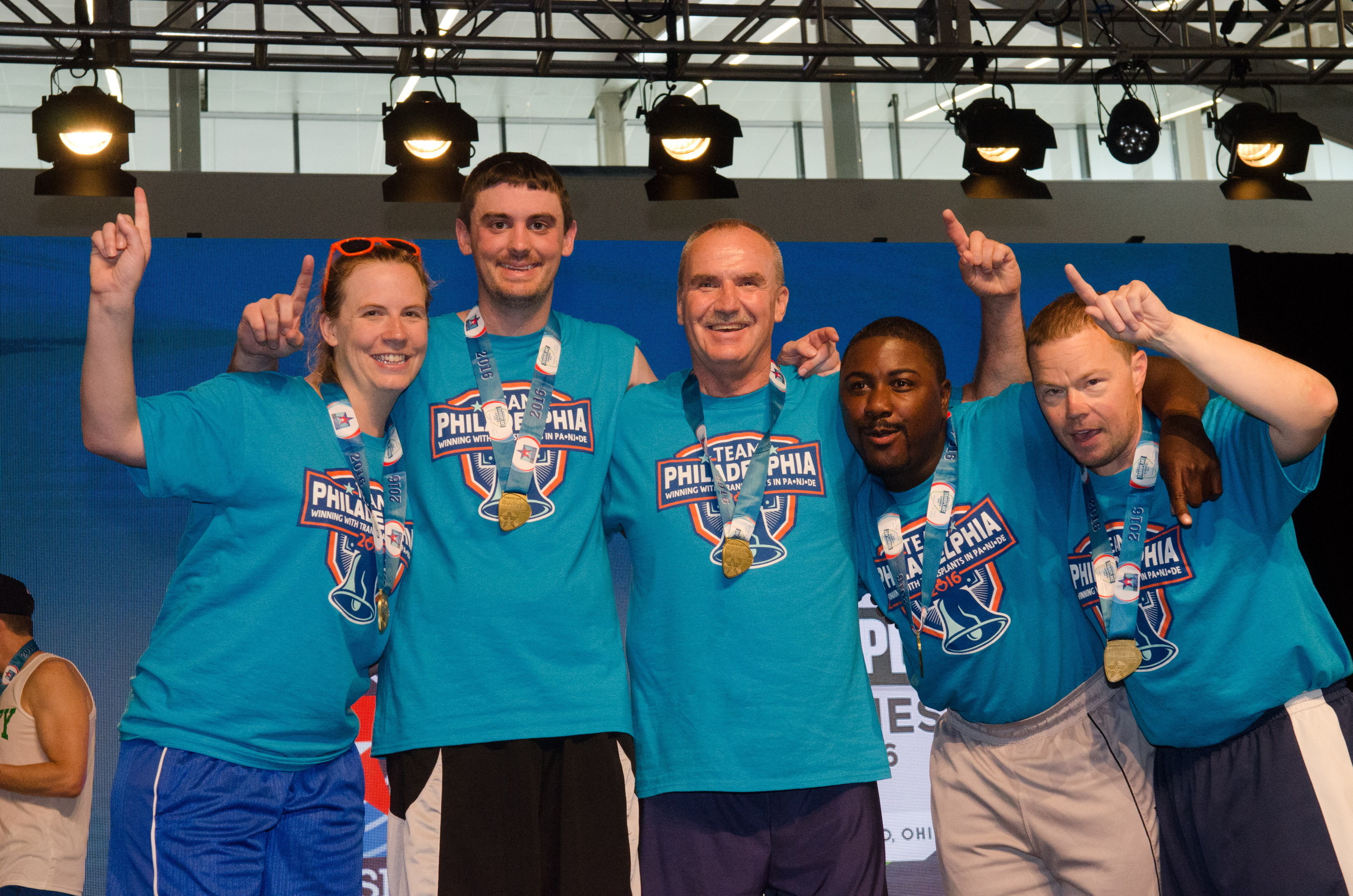
Yet, these games differ quite drastically from the Olympics in several substantial ways. The participants are not world class athletes, but individuals who have been given a second chance of life through transplantation. The passionate crowds in the stands are not your typical spectators either; they are donor families honoring their loved ones’ memory, living donors, Transplant Centers, Organ Procurement Organizations, and all the incredible people who comprise the support system of the transplantation community.
The competition is an obvious testament to the success of transplantation. It is quite striking to step back and consider that the athletes once connected to the more than 100,000 on the waiting list are now able to shoot hoops, swim laps, and swing a racket because of the compassion of another. Although recipients summon their athletic prowess partially to bring home the gold, their primary intent is to demonstrate their appreciation for this second chance and to honor their heroic donors.
Donor Families & Recipients
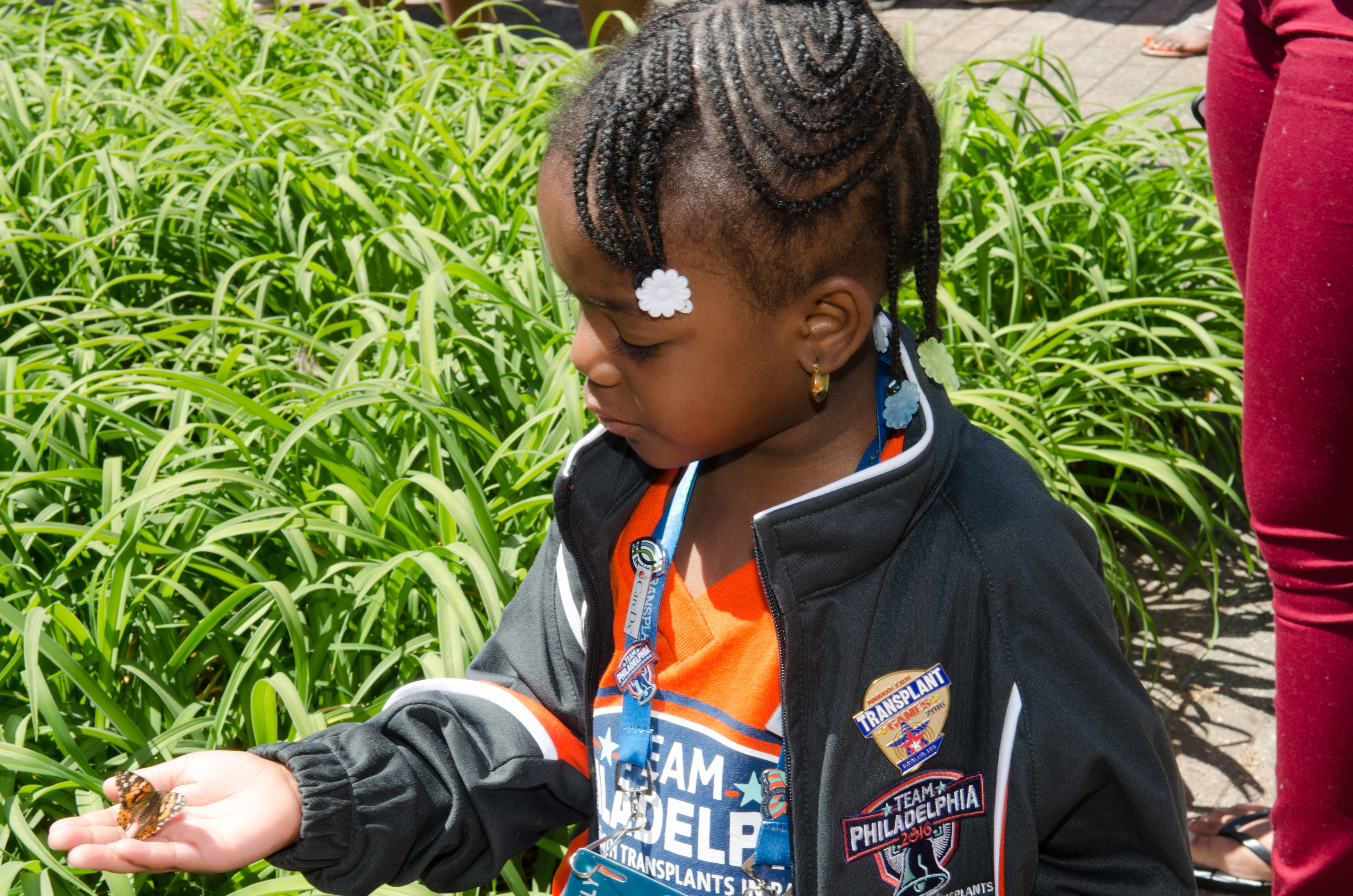
The Transplant Games provide a different experience for donor families. Observing healthy recipients exuding zeal for life allows for the presence of positive feelings around the tragedy of their loved ones’ death. Donor families are invited to participate in many special events, including a tribute ceremony and a butterfly release. Numerous workshops are offered with topics pertinent to loss and bereavement. Families have the opportunity to create and pin a quilt square in honor of their loved one. The atmosphere at the Games is supportive and safe; a space where donor families may openly express their grief and share their stories. The life and legacy of the donor is omnipresent.
The unique beauty of the Games lies within the interactions between the donor families and recipients. Although the media often normalizes and sensationalizes meetings between the two parties, it is actually quite an uncommon occurrence. Many donor families never meet or even receive correspondence from their loved one’s recipients and vice-versa. However, at the Transplant Games, each recipient identifies every donor family as their own. Countless hugs and thank you(s) are exchanged throughout the week. Medals earned rarely remain long on the necks of the athlete as they are soon gifted to the closest donor family member. The boundaries of team loyalty do not exist here, the appreciation and awe is palpable from all.
A Personal Observation
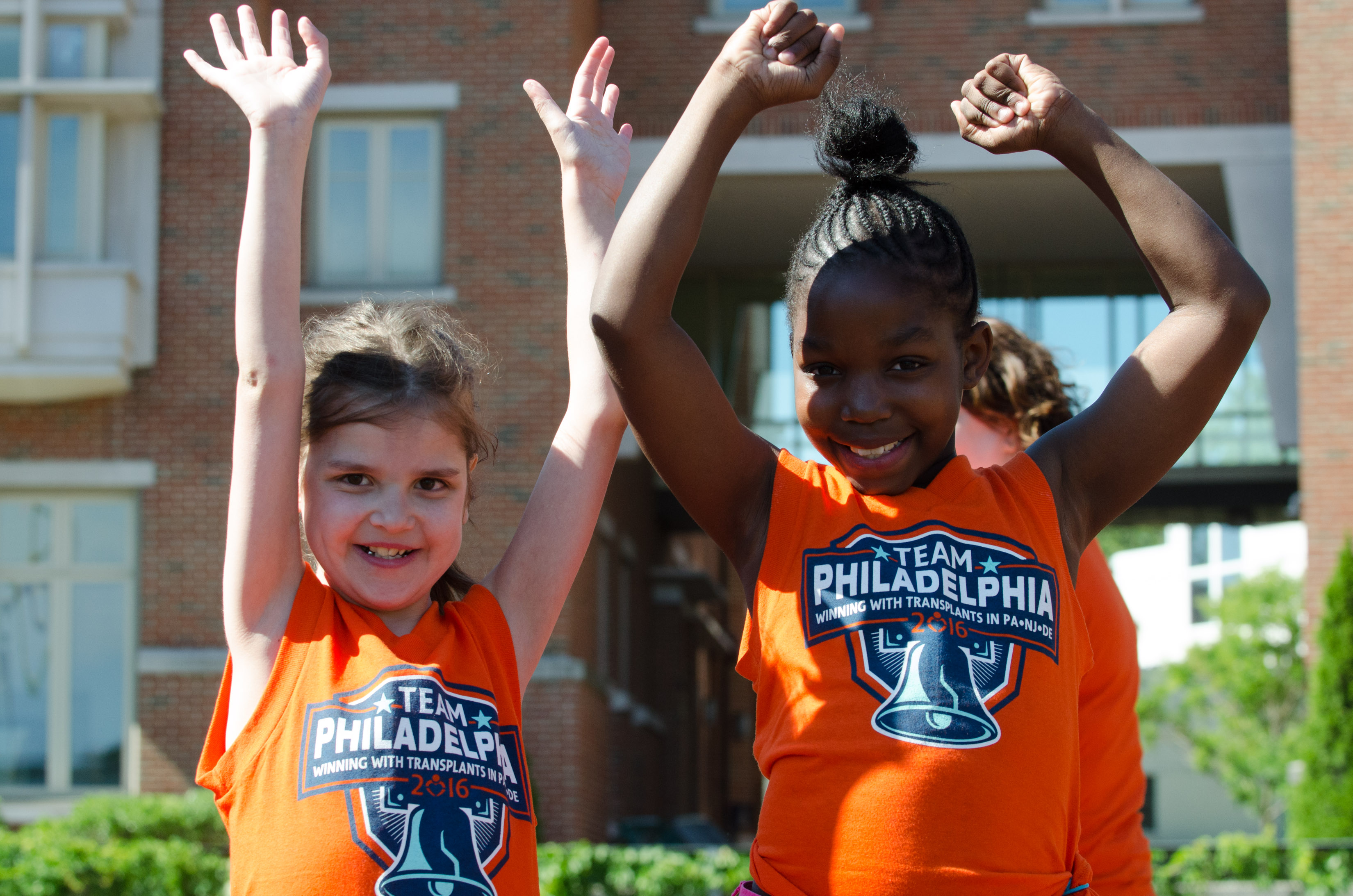
Accompanying Team Philadelphia for five days in San Diego, CA for the Games was an unforgettable and profound experience. Our team wonderfully represented the Transplant Foundation in our vibrant uniforms and proudly celebrated our donors. Together we conquered the games and proved that transplantation works. We hope that our efforts in San Diego will demonstrate the importance of organ and tissue donation and that we adequately honored our donors and their families who altruistically gave the gift of life.
For additional information about the Transplant Games, visit: http://www.transplantgamesofamerica.org/
Name, is a Title at Gift of Life Donor Program in Philadelphia, PA
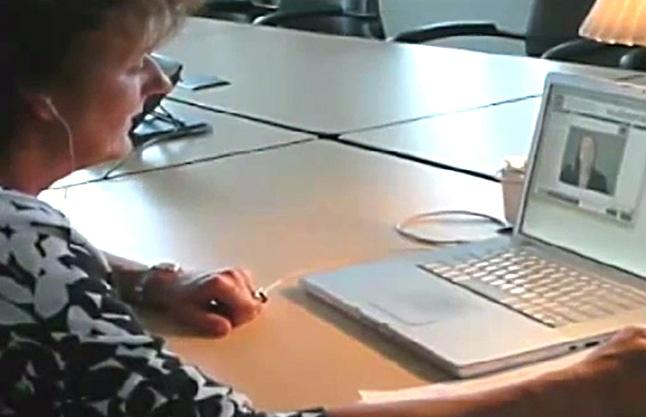 Earlier this year I had the opportunity to present at the 2014 Transplant Donation Global Leadership Symposium (GLS) on “21st Century Learning: Building a Learning-Oriented Culture in Transplant Donation.” I joined two colleagues including Gloria Páez of Transplant Procurement Management (TPM) who presented on new trends in the teaching role and technology applications and Maria Stadtler of Methodica, LLC (formerly of OneLegacy) who presented on customized training. My presentation was about eLearning and the principles that make it an excellent option for educating the donation professional.
Dr. Ruth Clark, noted instructional psychologist, defines eLearning as “content and instructional methods delivered on a computer and designed to build knowledge and skills related to individuals or organization goals.” This simple definition defines:
The what: training delivered in digital format;
The how: content and instructional methods to help learners master the content, and:
The why: to improve performance by building job-relevant knowledge and skills.
Add to this definition three key elements that distinguish eLearning from other learning platforms: instructional methods, instructional media, and media elements.
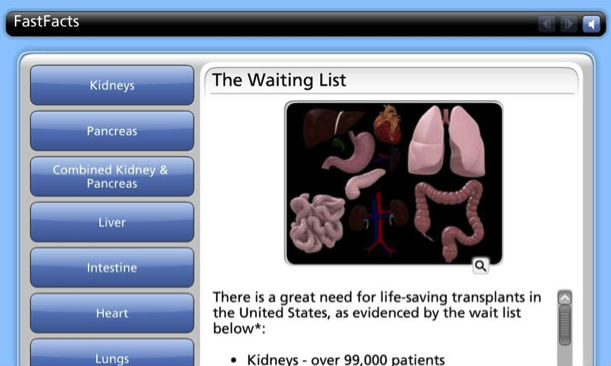
Example from a Gift of Life Institute elearning module
I imagine some of you are asking: Instructional methods? Instructional media? Media elements? What does all this mean? These are the basic concepts you should consider when developing an eLearning module for your audience. Instructional methods, (e.g., practice exercises, simulations and analogies), are the techniques used to help the learner process new information. Instructional media are the delivery agents that contain the content, including workbooks, computers and instructors. And, finally, media elements refer to the graphics, text, audio and video used to present content and instructional methods. For example, in the screen at left, media elements include text, graphics and audio narration tied to specific organs.
While doing additional research, I came upon the work of Dr. Richard E. Mayer, a professor of psychology at the University of California, Santa Barbara. His research interests are in educational and cognitive psychology, and for the past 10 years, he and his team have been conducting controlled experiments on how best to use audio, text and graphics to optimize learning.
Dr. Mayer’s work concludes that six media elements are critical to successful learning.
- Multimedia: adding graphics to work improves learning. Use illustrations, line drawings, photographs, animation or video. It’s important to make sure the multimedia elements are consistent with the instructional message. For example, if you want to provide a visual on the number of people waiting in the United States for an organ transplant (124,000+), you might use a photo of a packed house at Michigan Stadium (seating capacity of 110,000).
- Contiguity: when graphics and text are aligned on the screen, the learner doesn’t have to work as hard to retain the material.
- Modality: explaining graphics with audio improves learning.
- Redundancy: research shows that learning is greater when graphics are explained by audio alone, rather than audio and text.
- Coherence: remember, less is more. Using gratuitous visuals and sounds can hurt learning.
- Personalization: use a conversational tone along with first and second person improves learning.
The 24 eLearning modules the Institute had developed thus far incorporated five of the elements Dr. Mayer identified. We do not fully embrace the personalization by using first or second person as independent research indicates that our learners prefer the use of somewhat more formal language. You would need to decide for your organization and learners if personalizing the modules in this manner is appropriate.
Whether you are developing the eLearning internally at your organization or looking to an outside source to assist you, I recommend you become familiar with the work of Dr. Mayer and his colleagues to help you in securing eLearning that will result in effective learning for your donation professionals.
Theresa A. Daly is Director of Gift of Life Institute in Philadelphia, PA
Stay Up to Date